Have you been hearing about hexavalent chrome and trivalent chrome, but still aren’t sure what the difference is or why it matters? Let’s clarify the key distinctions between these two chrome plating methods and what they mean for your components.
What Is Hexavalent Chrome Plating?
Hexavalent chromium plating is the traditional method of chrome plating, used for both decorative and functional applications. This process involves submerging metal or plastic parts into a bath containing chromium trioxide (CrO₃) and sulfuric acid (H₂SO₄). The result is a highly corrosion-resistant, durable, and aesthetically pleasing finish.
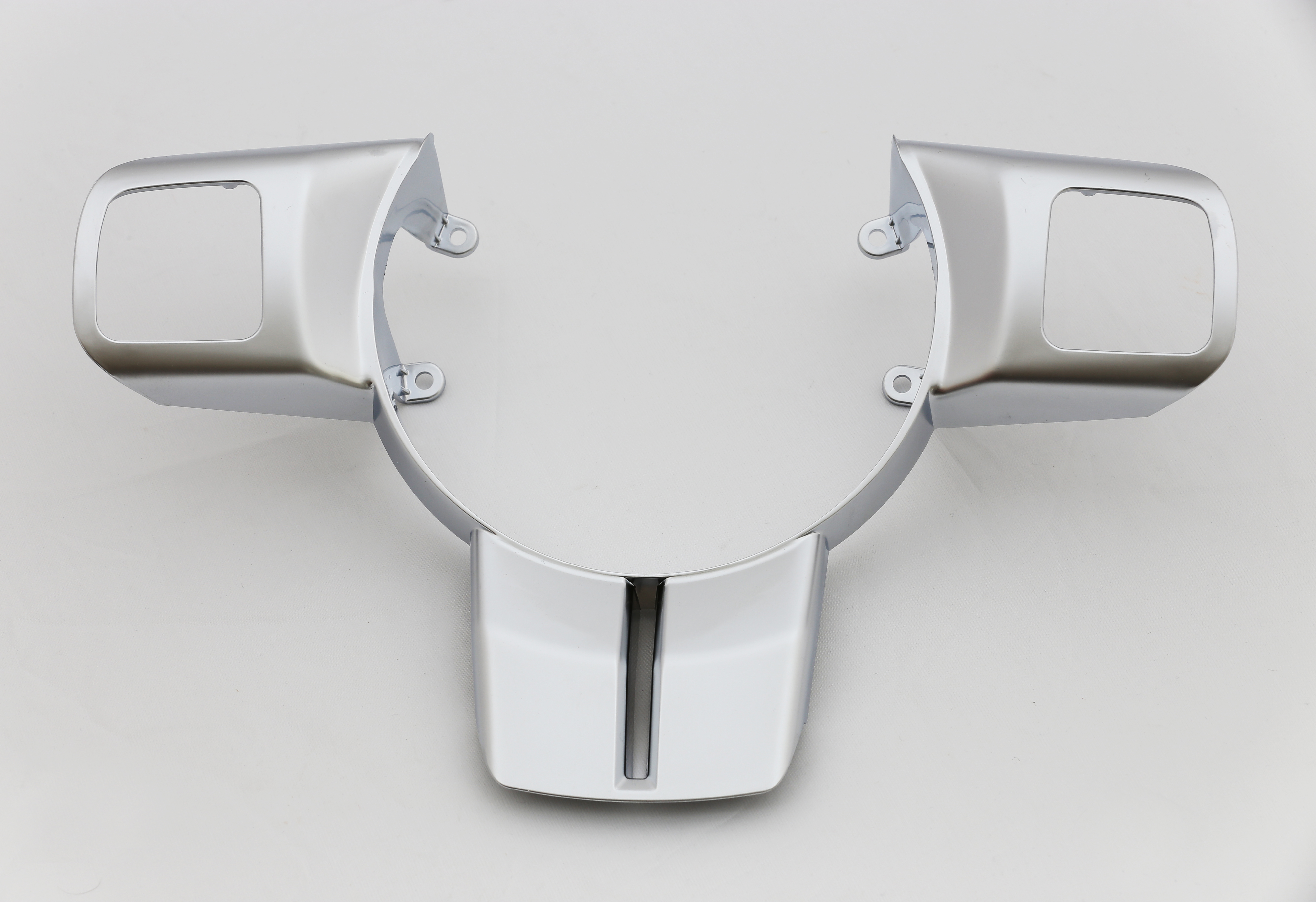
Despite its benefits, hexavalent chrome plating has significant drawbacks. The process produces hazardous byproducts like lead chromates and barium sulfate. More importantly, hexavalent chromium is a known carcinogen and is strictly regulated by the U.S. Environmental Protection Agency (EPA) and international regulatory bodies. In the European Union, it is classified as a substance of very high concern (SVHC) under REACH (Registration, Evaluation, Authorisation, and Restriction of Chemicals), requiring special authorization for use.
While still widely used in the automotive, plumbing, and hardware industries, many automotive OEMs (including Stellantis/Chrysler) are moving toward safer, more sustainable alternatives.
Hexavalent Chrome Pros:
- Excellent corrosion resistance
- High-quality aesthetic finish
- Broad industry availability
Hexavalent Chrome Cons:
- Highly toxic and carcinogenic
- Generates hazardous waste
- Expensive compliance requirements
What Is Trivalent Chrome Plating?
Trivalent chromium plating offers a safer, more environmentally friendly alternative to hexavalent chrome. This process uses chromium sulfate or chromium chloride instead of chromium trioxide. It provides many of the same visual and functional benefits, like corrosion resistance, scratch resistance, and a range of color options, with significantly lower toxicity.
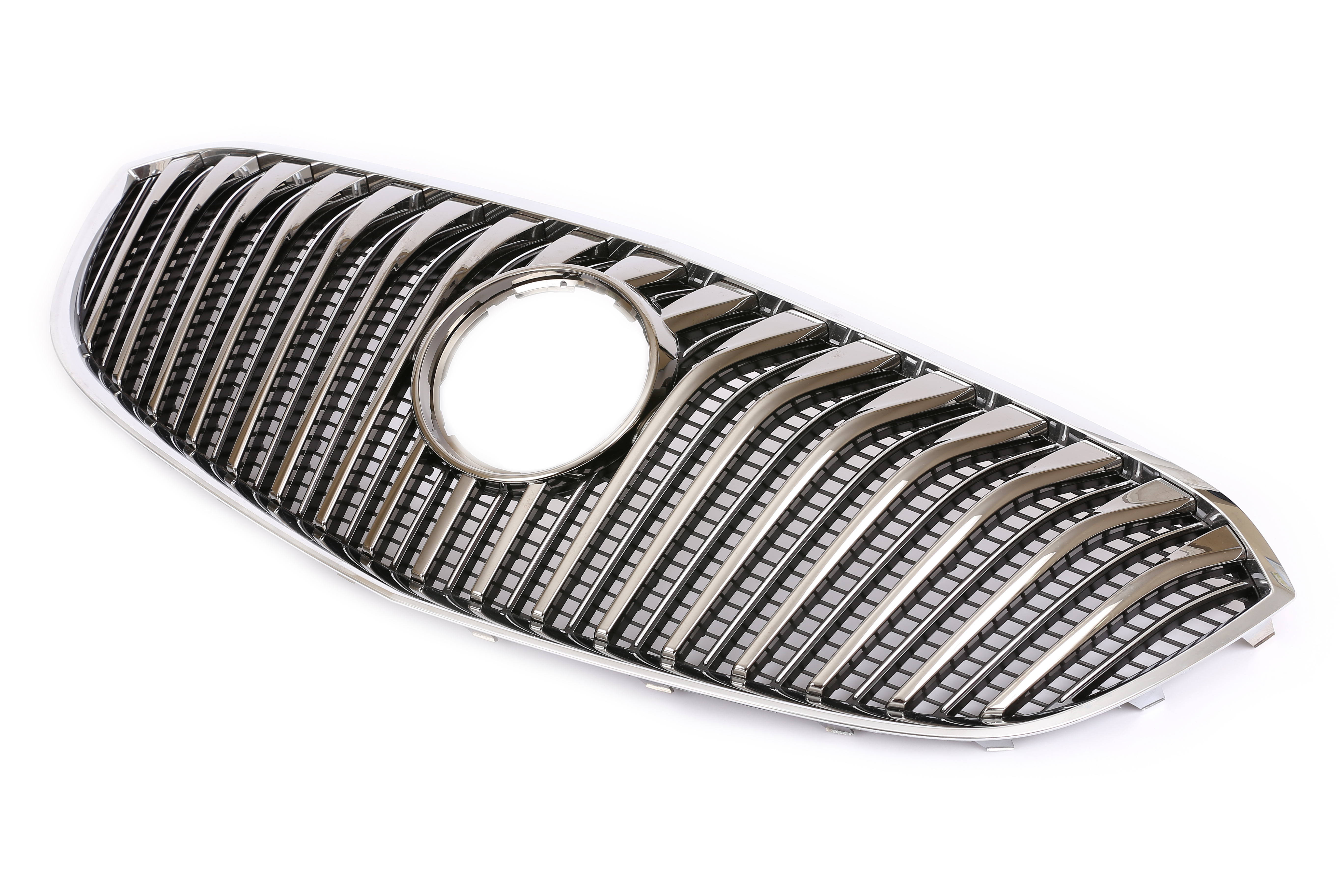
Although trivalent plating requires tighter process control and slightly more expensive chemicals, it consumes less energy, tolerates interrupted electrical current, and reduces hazardous waste. These factors contribute to lower compliance costs and increasing adoption among OEMs.
Trivalent Chrome Pros:
- Safer, non-carcinogenic process
- Lower environmental risk
- Strong OEM support for sustainability
Trivalent Chrome Cons:
- Fewer qualified finishers in the U.S.
- Slightly higher material and control costs
Hexavalent vs. Trivalent Plating

Which Is Better for Your Product?
Hexavalent chrome plating remains common due to its cost and widespread use. However, growing environmental regulations in the U.S. and European Union are driving demand for trivalent chrome finishes, especially in the automotive industry, where sustainability is a top priority.
Currently, only a limited number of U.S. finishers are qualified to apply certain trivalent finishes. For example, MacDermid Enthone, a global leader in decorative finish design, lists Electro Chemical Finishing (ECF) as one of only ten U.S. finishers certified to offer their Fashion Finishes® in trivalent chrome.
Choose a Trusted Chrome Plating Partner
ECF offers both hexavalent and trivalent chrome plating services, including OEM-qualified finishes for automotive, plumbing, and decorative applications. As the industry shifts toward cleaner technologies, we’re proud to lead the way with advanced, sustainable solutions.
Contact us today to discuss which chrome plating option is right for your project.